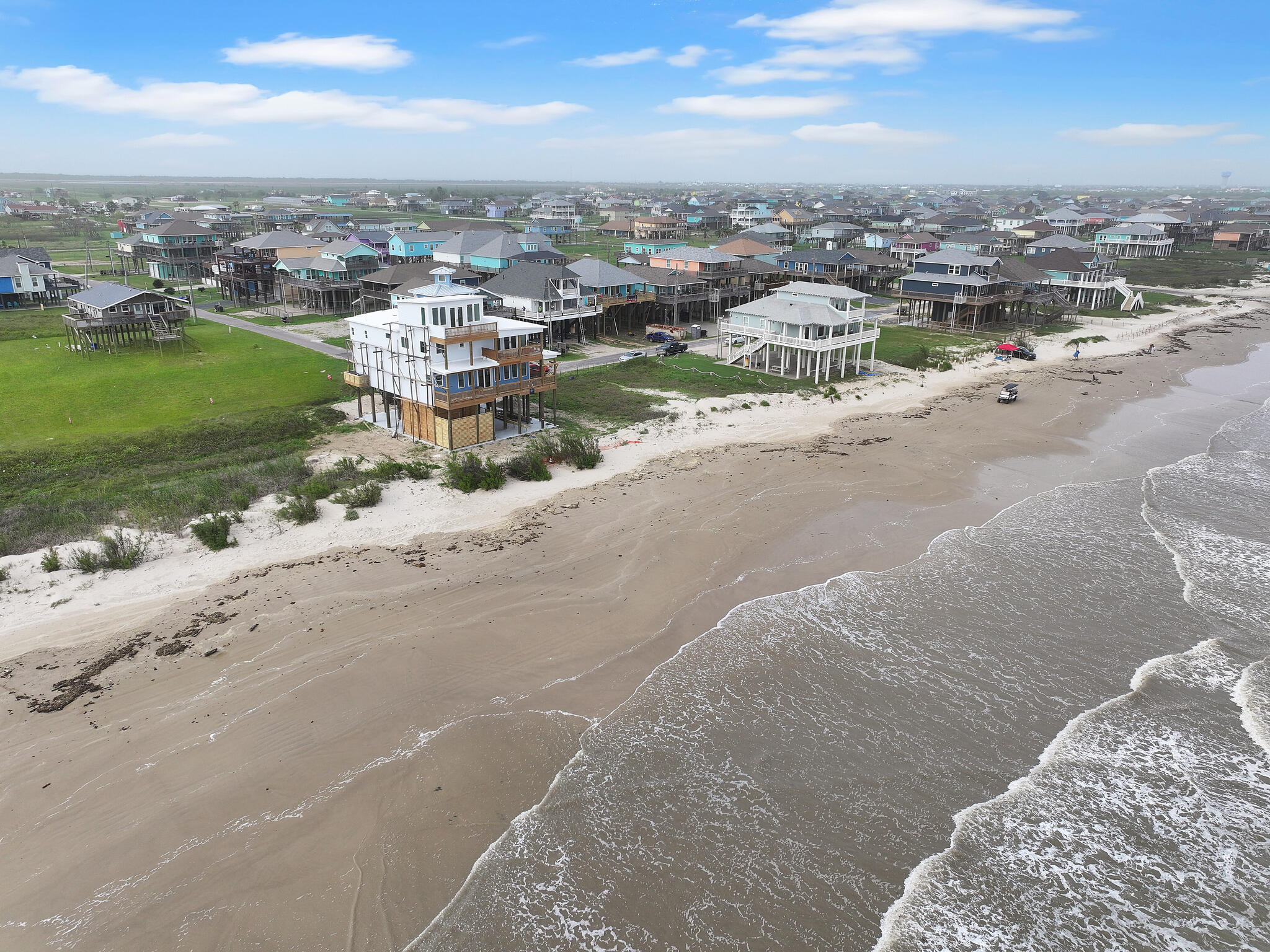
Coastal Investment Tips
Dreaming of owning a slice of paradise along the coast? Whether you’re eyeing a cozy beach house to call your second home or considering a vacation rental investment, the coastal market offers a unique blend of opportunities and challenges. As your trusted advisor, I’m here to guide you through the waves of real estate with tips that make the process less daunting and more rewarding. From understanding market trends to finding the right location, let’s explore the essential steps for making confident coastal investments. Ready to dive in? Let’s chat about how you can turn this dream into reality.


Understanding Coastal Markets
Before diving into coastal investments, it’s crucial to grasp the unique dynamics of these markets. Let’s explore how to identify promising locations and analyze market trends.
Identifying Potential Locations
When searching for the perfect coastal investment, location is key. Start by researching areas with strong tourism appeal and year-round attractions. Consider factors like beach quality, local amenities, and accessibility.
Look for up-and-coming neighborhoods that show signs of growth. These areas often offer better value and potential for appreciation. Pay attention to infrastructure improvements, new businesses opening, and increasing property values.
Don’t forget to consider the impact of climate change. Research flood zones, erosion patterns, and storm risks. Areas with robust coastal management plans may offer more stability for long-term investments.
Analyzing Market Trends
Understanding market trends is essential for making informed investment decisions. Keep an eye on key indicators like property values, rental rates, and occupancy rates in your target areas.
Look for patterns in seasonal demand and pricing fluctuations. Many coastal markets experience peak seasons during summer months or holidays. This information can help you forecast potential rental income and plan your investment strategy.
Stay informed about local economic factors that could impact the market. New developments, changes in tourism patterns, or shifts in local industries can all affect property values and rental demand.
Financial Considerations
Investing in coastal property requires careful financial planning. Let’s break down the budgeting process and explore how to assess potential returns on your investment.
Budgeting for Coastal Investments
Creating a comprehensive budget is crucial when investing in coastal property. Start by determining your total investment capacity, including down payment, closing costs, and reserves for unexpected expenses.
Consider ongoing costs such as property taxes, insurance, and maintenance. Coastal properties often have higher insurance premiums due to increased risks from storms and flooding. Factor in potential renovations or upgrades to make the property more attractive to renters.
Don’t forget to budget for property management if you plan to rent out your investment. Professional management can be costly but may be worth it for peace of mind and maximizing rental income.
Understanding Return on Investment
Calculating potential return on investment (ROI) helps you assess whether a coastal property is a sound financial decision. Consider both short-term rental income and long-term appreciation potential.
Research average rental rates and occupancy levels in your target area. Be realistic about potential income, factoring in seasonal fluctuations and periods of lower demand. Remember to account for expenses when estimating your net rental income.
Look at historical appreciation rates for similar properties in the area. While past performance doesn’t guarantee future results, it can give you an idea of the property’s potential for long-term value growth.
Navigating Legalities
Investing in coastal property comes with unique legal considerations. Understanding local regulations and insurance requirements is essential for protecting your investment.
Local Zoning Laws
Familiarize yourself with local zoning laws and regulations before making a purchase. These rules can significantly impact how you use and develop your property.
Check if short-term rentals are allowed in the area. Some coastal communities have strict regulations or even bans on vacation rentals. Make sure your investment plans align with local ordinances.
Research any building restrictions or environmental regulations that may affect future renovations or expansions. Coastal areas often have stricter rules to protect the environment and maintain the character of the community.
Insurance and Liability
Insurance is a critical consideration for coastal properties. Standard homeowners insurance may not cover all the risks associated with coastal living.
Look into specialized policies like flood insurance or windstorm coverage. These may be required by lenders and can provide crucial protection for your investment.
Consider liability insurance, especially if you plan to rent out the property. This can protect you from potential lawsuits if a tenant or guest is injured on your property.
Maximizing Rental Income
If you’re planning to rent out your coastal property, implementing effective marketing and pricing strategies can help maximize your return on investment.
Marketing Your Property
Creating a compelling online presence is key to attracting renters. Use high-quality photos and virtual tours to showcase your property’s best features and coastal views.
Highlight unique selling points like proximity to the beach, local attractions, or special amenities. Consider creating a dedicated website or listing on popular vacation rental platforms to reach a wider audience.
Encourage satisfied guests to leave reviews and testimonials. Positive feedback can significantly boost your property’s appeal to potential renters.
Seasonal Pricing Strategies
Implementing a dynamic pricing strategy can help you maximize rental income throughout the year. Research peak seasons and local events that drive demand in your area.
Adjust your rates based on demand, raising prices during high season and offering discounts during slower periods. Consider offering special packages or longer-stay discounts to attract guests during off-peak times.
Stay competitive by regularly reviewing and adjusting your rates based on market conditions and occupancy levels. Be prepared to be flexible and responsive to changes in demand.
Long-term Investment Strategies
Coastal properties can offer significant long-term value. Let’s explore strategies for building equity and preparing for market changes.
Building Equity Over Time
Focus on gradually improving your property to increase its value over time. Regular maintenance and strategic upgrades can enhance appeal and justify higher rental rates.
Consider making energy-efficient improvements or adding desirable amenities. These investments can lead to long-term savings and increased property value.
If possible, make extra payments on your mortgage to build equity faster. This can provide financial flexibility and increase your overall return on investment.
Preparing for Market Shifts
Stay informed about local and national real estate trends to anticipate potential market shifts. Diversifying your investment portfolio can help mitigate risks associated with market fluctuations.
Maintain a financial cushion to weather potential downturns or periods of lower rental income. This can help you avoid being forced to sell in unfavorable market conditions.
Consider long-term demographic trends and how they might impact demand for coastal properties. Factors like remote work trends or changing vacation preferences could influence future market dynamics.